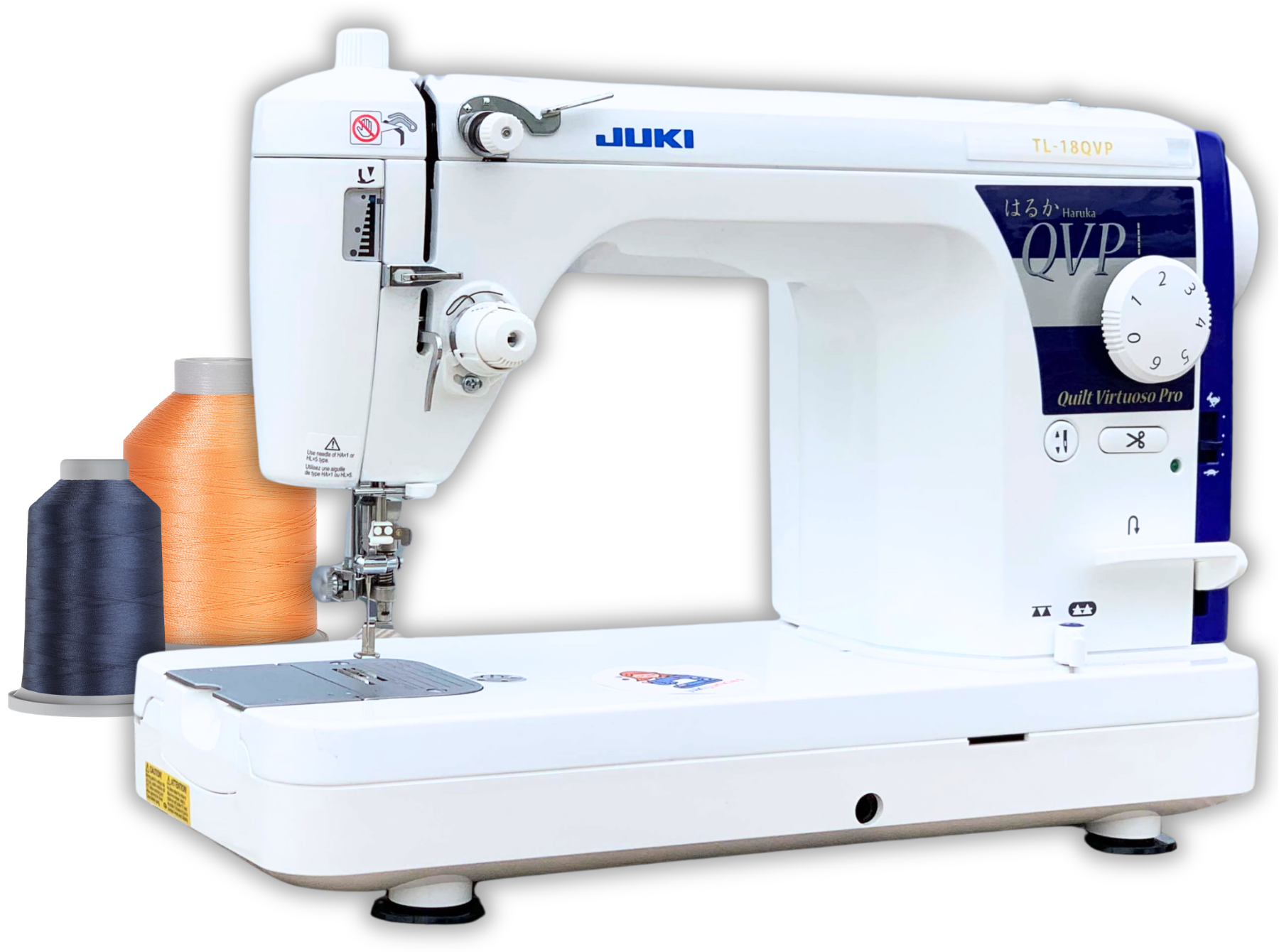
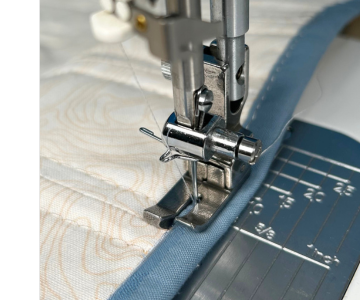
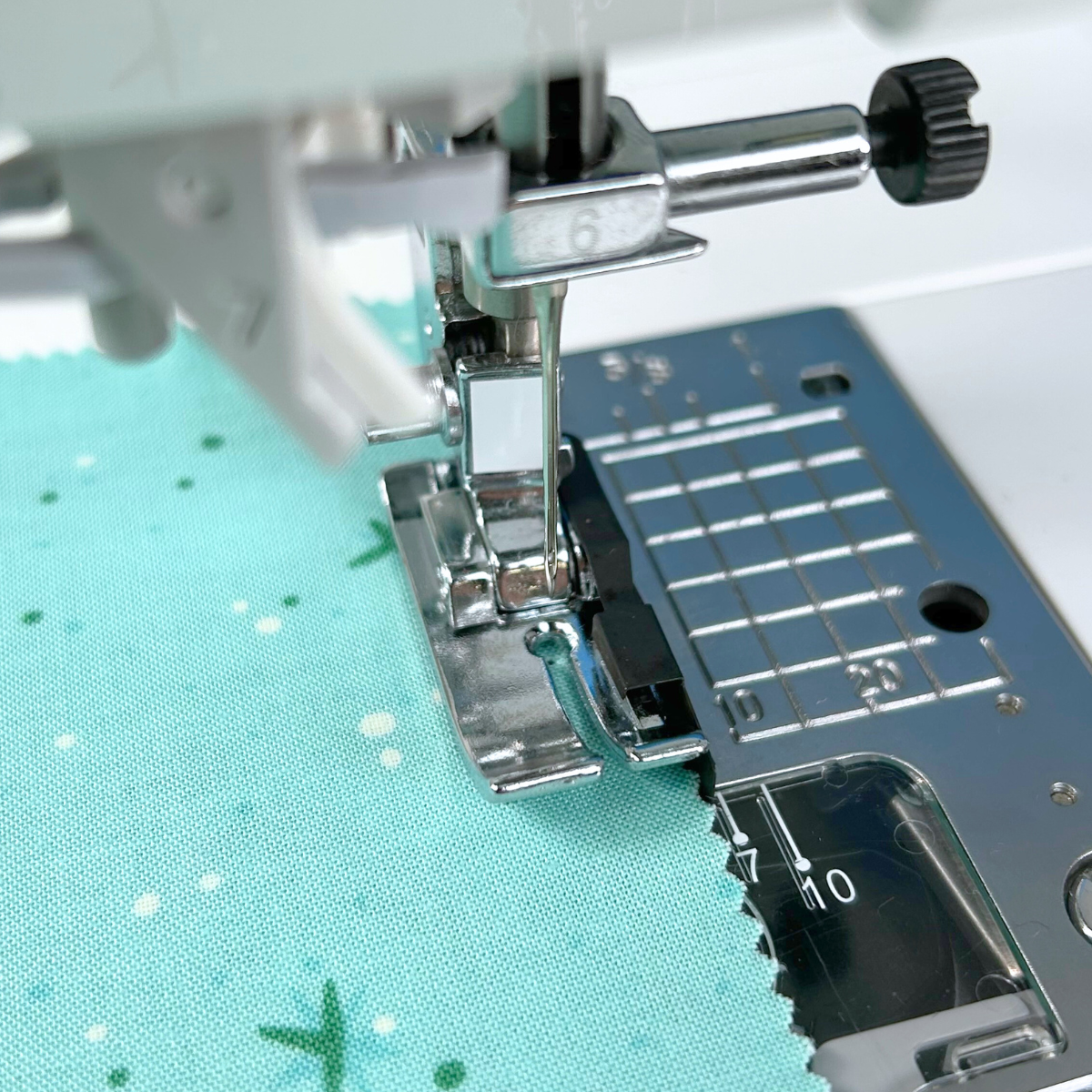
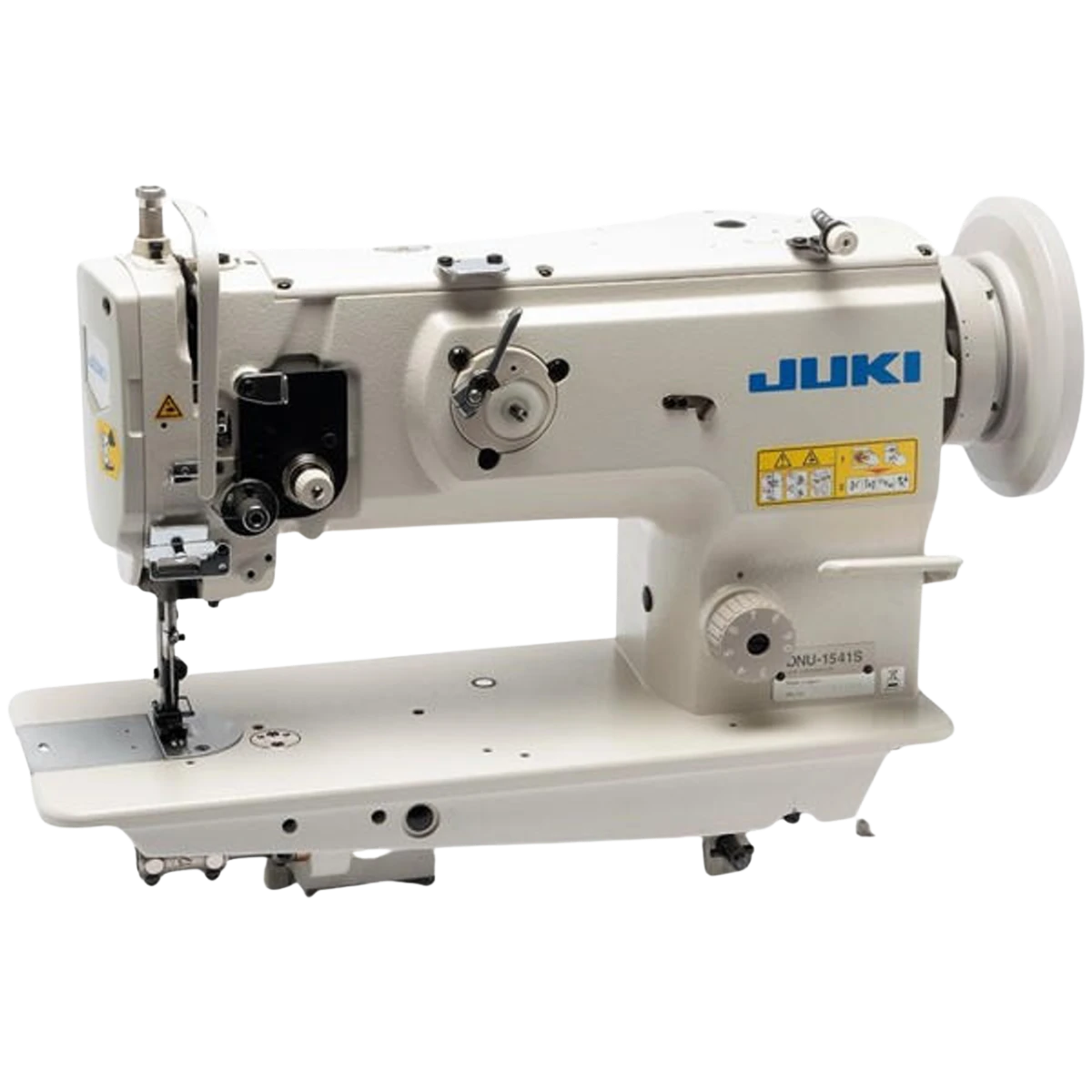
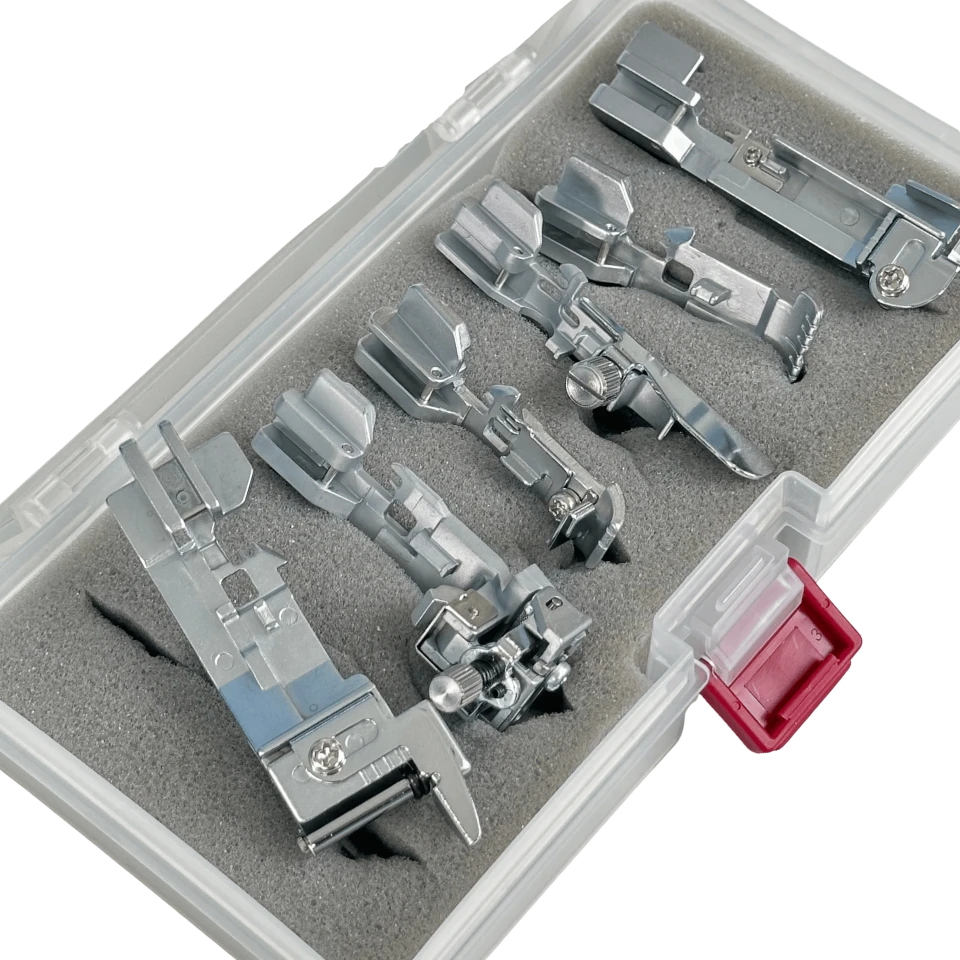
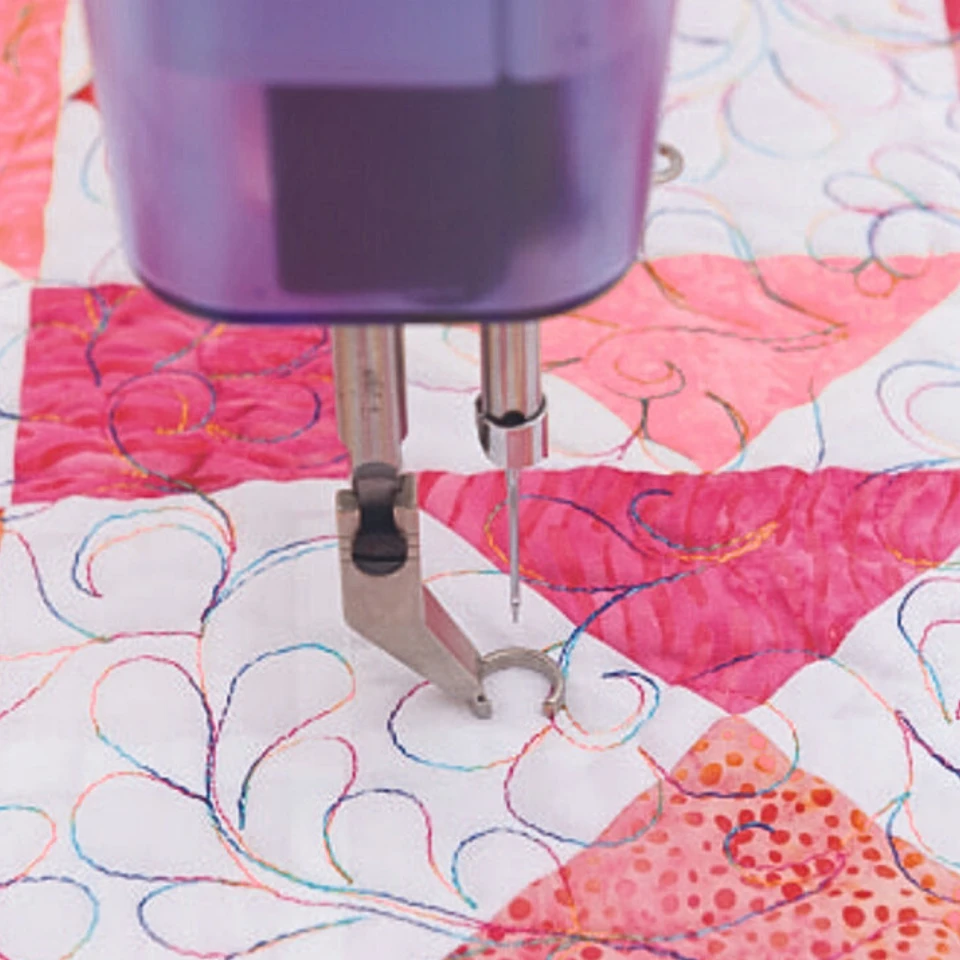



















Quilting
& Piecing
40–50 wt
Great for quilting and everyday sewing.


Unlock your creativity with our complete range of embroidery supplies in one place. Have questions? Call our embroidery expert to help you at 813-661-9000.
the one chart every sewist should save.
← Thread Weight System →
larger number = finer thread
← TEX System →
larger number = heavier thread

If you've ever wondered why 60 wt thread is finer than 40 wt thread — but TEX 70 is heavier than TEX 45 — you're not alone.
Thread weight and TEX are two different ways to describe thread size, but the numbers work in opposite directions. Once you understand the difference, it becomes much easier to choose the right thread for quilting, embroidery, bag making, upholstery-style projects, outdoor sewing, and heavier-duty projects.
Here's the simple version:
Thread weight numbers get larger as the thread gets finer.
TEX numbers get larger as the thread gets heavier.
Used for home sewing, quilting, embroidery & serging threads.
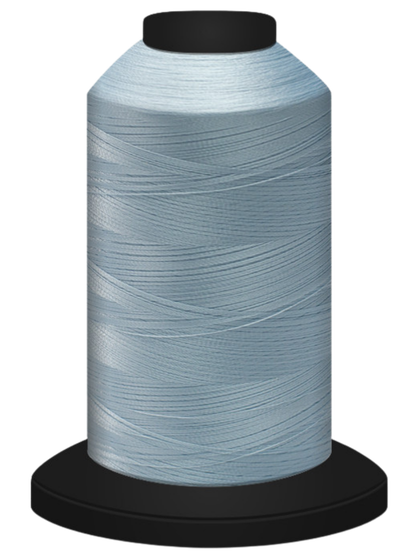 60 wt
60 wt
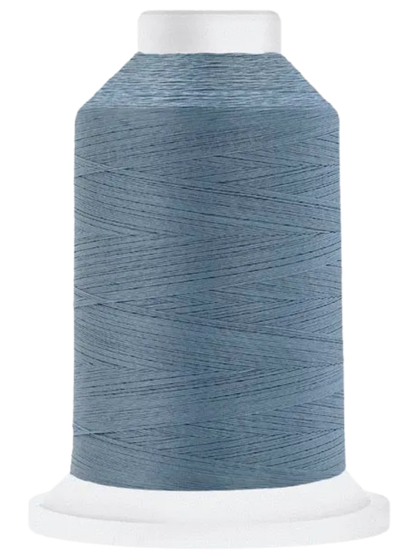 50 wt
50 wt
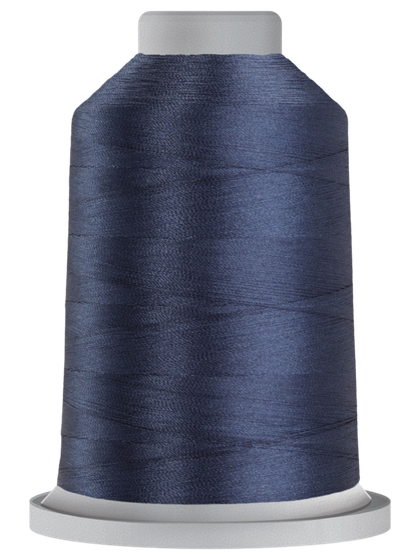 40 wt
40 wt
larger number = finer thread
Used for industrial, upholstery, outdoor & heavier-duty threads.
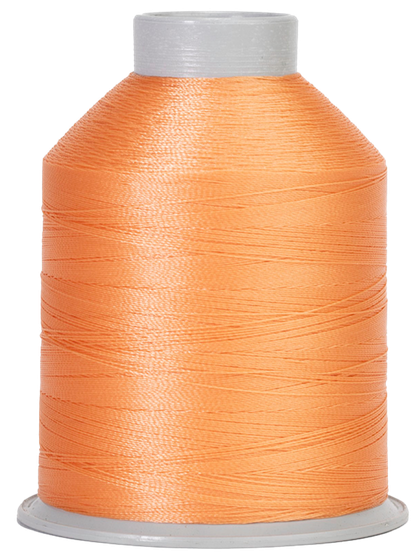 TEX 45
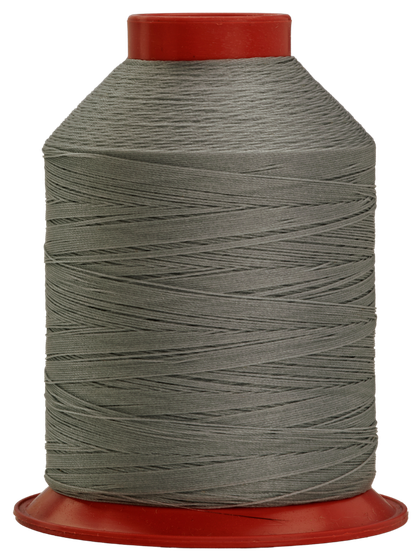 TEX 70
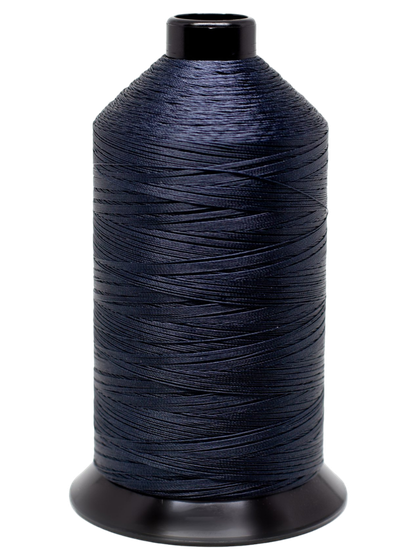 TEX 90
larger number = heavier thread
Now that you know how the numbers work, the next step is choosing thread by project.
A quilt, a tote bag, and an outdoor cushion do not all need the same thread. The easiest place to start is what you're making — then choose the thread that gives you the right balance of strength, stitch visibility, and finish.
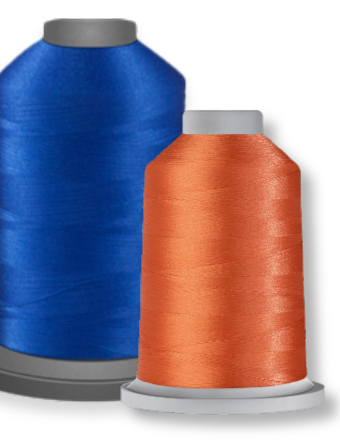
40–50 wt
Great for quilting and everyday sewing.
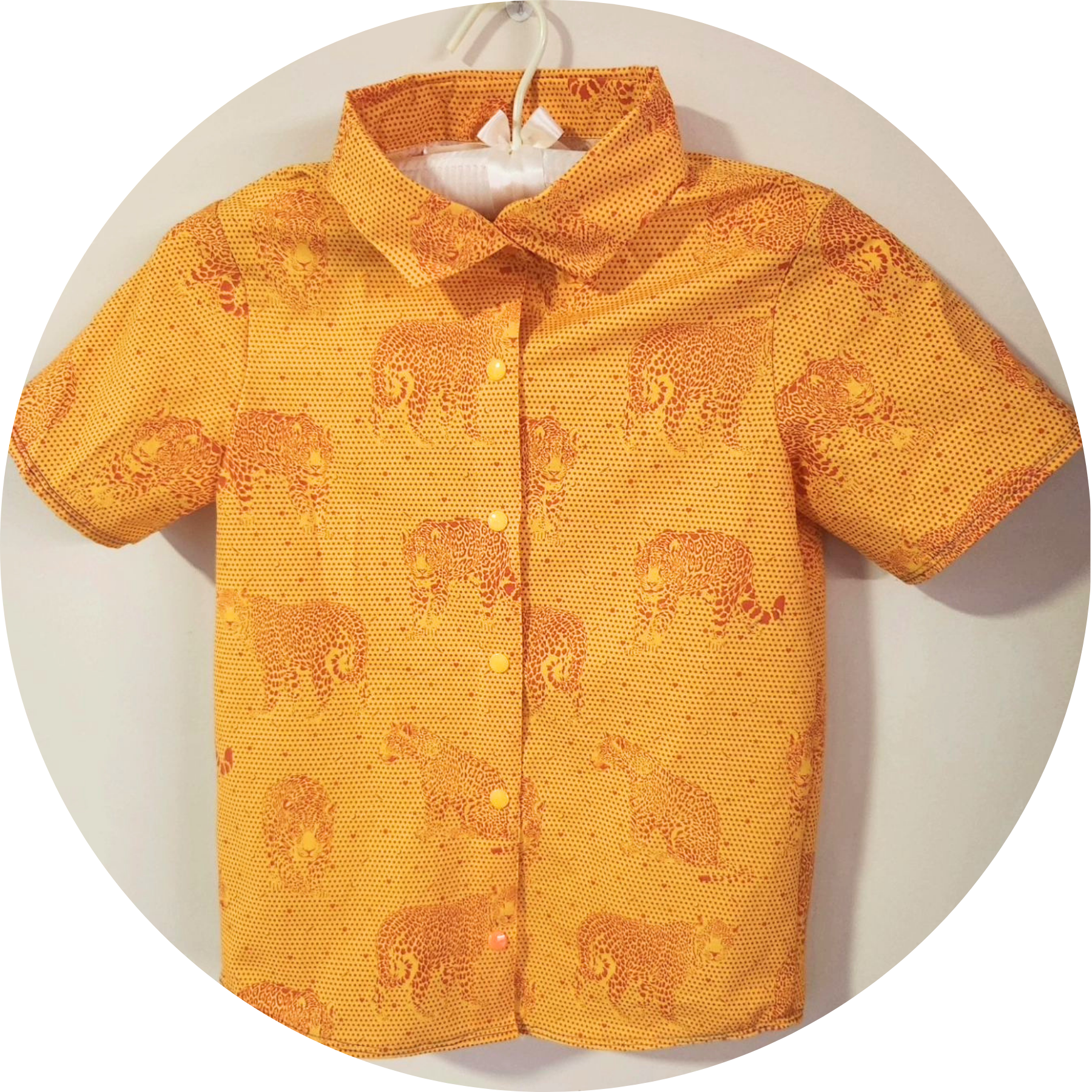
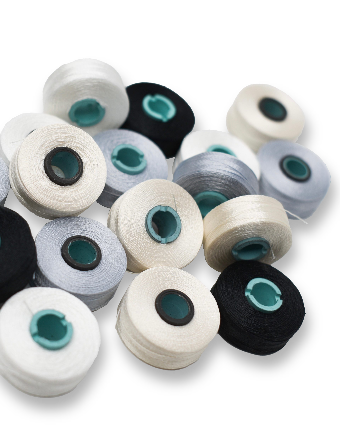
40–50 wt
Versatile for apparel and everyday sewing.

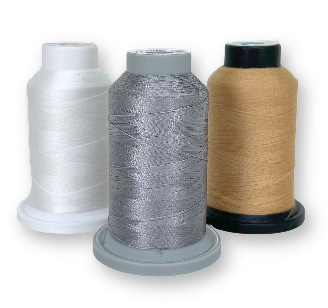
40–60 wt
Choose 40 wt for most designs and 60 wt for finer details.

40 wt / TEX 45
Great for durability and visible stitching.
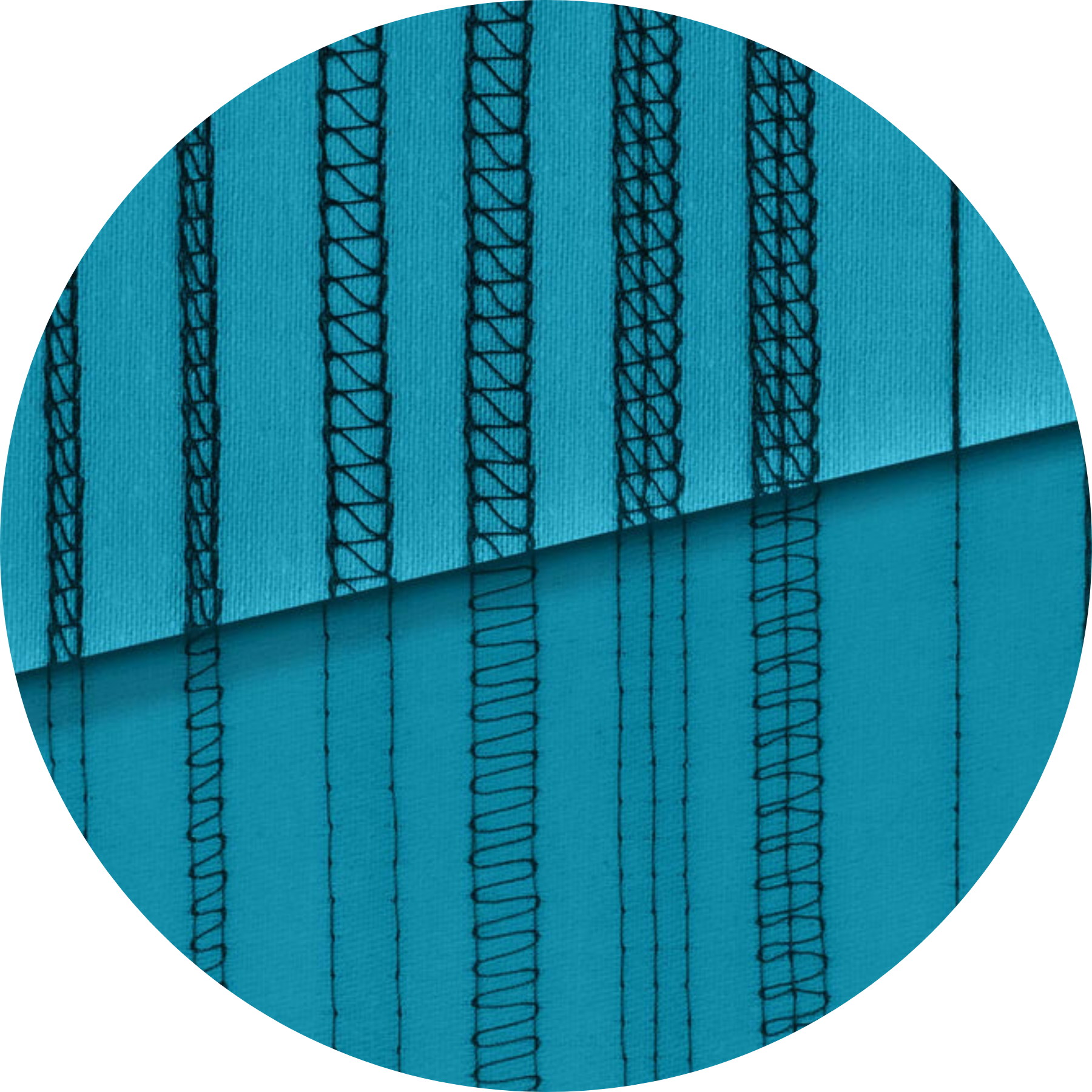
50 wt
Great for garment seams, knits, and everyday serging.

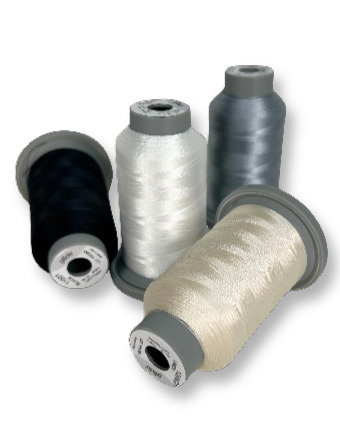
TEX 70 – TEX 90
Great for canvas, outdoor projects, and heavier materials.
These are just starting points. Always test on your actual project layers and adjust as needed.
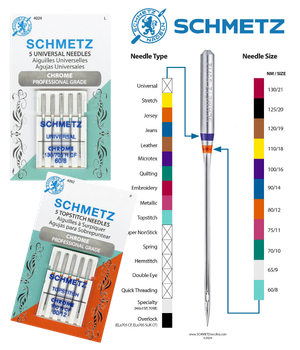
Use the right needle, adjust tension as needed, and test on your actual project layers.